The magazine for authors
Chapter I: Craft & Practice
From the first sentence to the finished manuscript: tools, habits and the form in which a text reaches a publisher’s desk.
6 articles
- Writing Software for Authors: How to Choose the Right Tool for Your BookA novel is a document you live with for months or years. Here is what writing software needs to do for a book-length project, how the familiar tools compare, and how to choose one that never locks your manuscript in.6 min read
- How to Write Your First Book: From Idea to Finished First DraftMost first novels do not fail for lack of talent. They stall halfway. These are the principles that carry you from the first spark to a complete first draft, and why finishing beats polishing.6 min read
- Standard Manuscript Format: How to Format and Measure Your NovelAgents and editors expect manuscripts in a standard format and measure them in words, not pages. Here is what that format looks like, how to count your length, and the mistakes that mark a submission as amateur.3 min read
- What Is a Manuscript? Meaning, Stages and the Submission DraftFrom first draft to galley proof, your book is called a manuscript, but it is not always the same thing. What the word means, the stages a manuscript moves through, and what the version you send to agents should look like.6 min read
- How to Write a Children's Book: Age Groups, Word Counts and IllustrationChildren's books are short, but they are not easy. Which formats suit which ages, what word counts publishers expect, how text and pictures work together, and what to know before you submit.5 min read
- How to Write Fanfiction: Craft, Communities and Moving On to Original WorkFor many writers, fanfiction is where it all starts, and it is a genuinely good training ground. What the craft demands, how fan communities work, what to know about copyright, and how a fan story can become an original novel.5 min read
Chapter II: Dramaturgy & Character
What makes a story hold: tension, turning points and characters whose desires drive the plot.
3 articles
- How to Plot a Novel: Proven Methods ComparedThree-act structure, the Hero’s Journey, the Snowflake Method, Save the Cat or scene cards: what each method does, who it suits and how much planning a novel really needs.6 min read
- Character Profiles: How to Build Characters with DepthA useful character profile is not a list of eye colours and favourite foods. It is a tool that generates story. What belongs in one, how want, wound and need fit together, and how to use the profile while you draft.6 min read
- What Is Plot? The Blueprint of a StoryPlot is not just what happens. It links events through cause and effect, drives them with conflict and shapes them into a rising arc. Here is what plot is made of and how to test whether yours holds.5 min read
Chapter III: Literary Worlds
The laws of each genre, from thriller to children’s book, and where it pays to break them on purpose.
3 articles
- Mystery vs. Thriller: What’s the Difference?They often share a shelf, but mysteries and thrillers create tension in different ways: one with a puzzle, the other with a threat. How the two genres differ in structure, viewpoint and pace, and which subgenres belong to each.6 min read
- Book Genres Explained: A Guide for AuthorsFrom romance to science fiction, from cozy mystery to romantasy: the main fiction genres and their subgenres, the difference between genre and age category, and why the right classification matters so much to agents, retailers and online stores.6 min read
- How to Write Dark Romance: Conventions, Reader Expectations and Responsible CraftDark romance pairs a love story with dark themes, morally grey characters and deliberately unsettling moments. What defines the subgenre, what readers expect, and how to handle content warnings, framing and platform rules with care.6 min read
Mystery vs. Thriller: What’s the Difference?
They often share a shelf, but mysteries and thrillers create tension in different ways: one with a puzzle, the other with a threat. How the two genres differ in structure, viewpoint and pace, and which subgenres belong to each.
6 min read · Updated September 23, 2026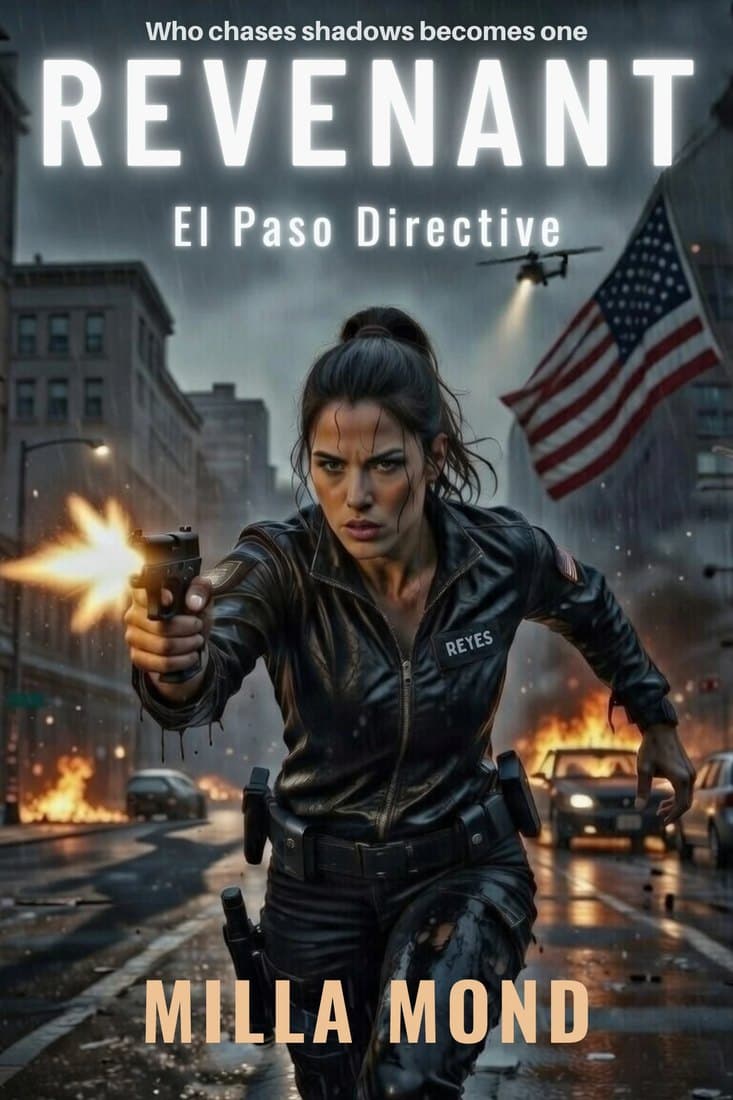
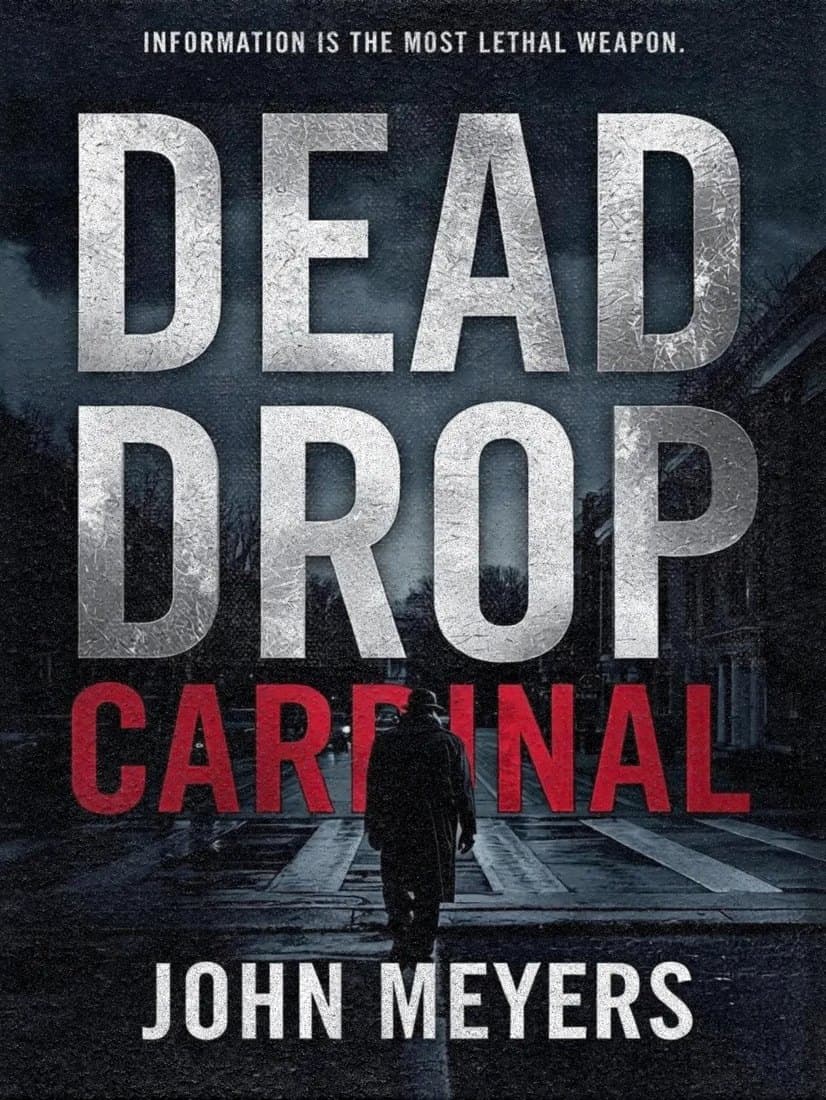
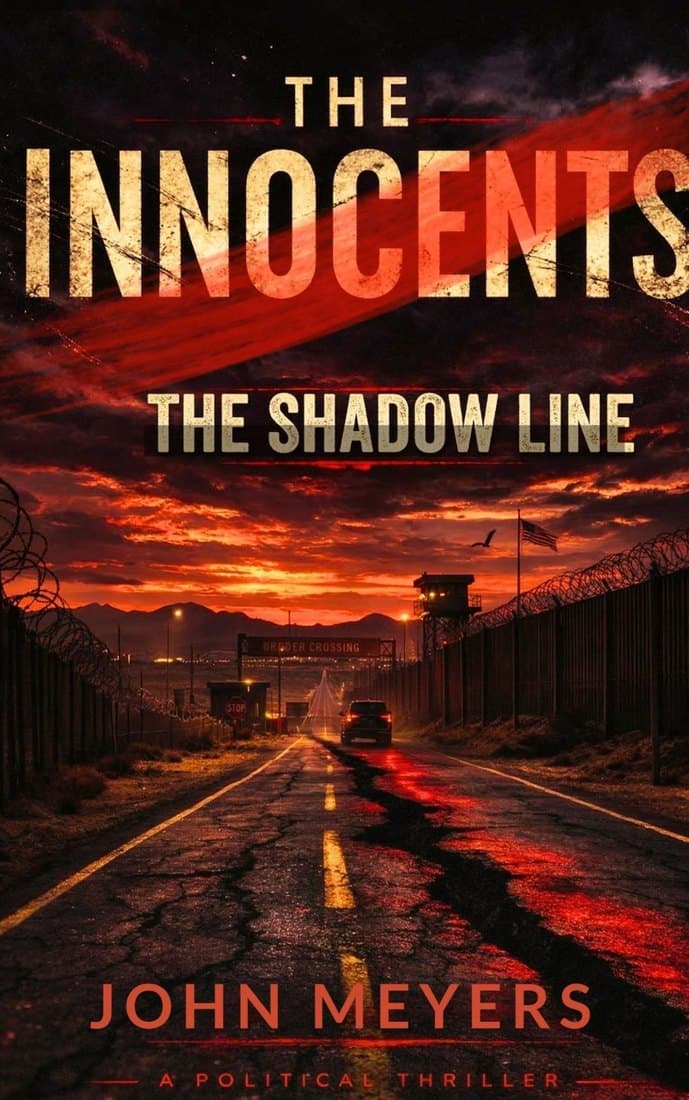
Mysteries and thrillers are among the bestselling categories in fiction, and in everyday conversation the terms blur. For readers that hardly matters. For you as an author it does. If you are not sure which book you are writing, you can end up with a mystery paced like a thriller or a thriller that reads like a puzzle, and disappoint both sets of expectations.
The border between the two is not sharp, and many successful novels combine them. But each genre starts from a different core question, and that question shapes structure, viewpoint and pace. It also decides which shelf, and which online category, your book will live in.
Whodunit or what happens next?
A mystery usually opens with a crime that has already happened. Its question is: who did it, and how can it be proved? The tension is the tension of a puzzle. Readers gather clues alongside the sleuth, suspect and dismiss, and want to be surprised by the solution without feeling cheated.
A thriller looks forward. Its question is: can the worst still be prevented? The villain is often known, or soon becomes clear. Tension comes from threat, time pressure and danger to the protagonist or to many people.
The differences at a glance
| Element | Mystery | Thriller |
|---|---|---|
| Core question | Who did it? | Can disaster be averted? |
| The crime | Usually at the start, already committed | Still threatened, imminent or unfolding |
| Protagonist | A detective, professional or amateur | Often someone pulled into danger |
| Reader knowledge | Rarely more than the investigator | Often more than the protagonist |
| Pace | Investigation alternating with quieter scenes | Fast, with short chapters and deadlines |
| Antagonist | Hidden until the end | Often known early, sometimes given their own viewpoint |
| Ending | The puzzle is solved | Confrontation and the threat defeated |
Viewpoint and what the reader knows
In a mystery the viewpoint usually stays close to the investigation. Readers should see the same clues as the person solving the case, so the puzzle stays fair. During the Golden Age of detective fiction, writers even drew up rules for this. Ronald Knox’s list, for example, required the culprit to appear early in the story and forbade accidents or unexplained intuition from solving the case.
Thrillers more often use several viewpoints, sometimes including the villain’s. Readers then know more than the protagonist and see the danger approaching before the character does. That gap is exactly the pressure the genre promises.
Pace and structure
A mystery can take its time. Between steps in the investigation there is room for the detective’s private life, for atmosphere, setting and supporting cast. Many mystery series thrive on exactly that room: readers return to a character and a place the way they return to old friends.
A thriller compresses. Chapters tend to be shorter and end on open questions or fresh danger. A ticking clock, a deadline by which something must happen, is one of the genre’s most effective tools. Quiet scenes exist here too, but they set up the next escalation.
The main subgenres
Mystery
- Classic whodunit: a closed circle of suspects, one puzzle, one solution.
- Police procedural: the work of an investigative team, often with a realistic eye on procedure and hierarchy.
- Amateur sleuth: an outsider investigates, often with a strong setting and a recurring cast.
- Cozy mystery: no graphic violence, a small community, often humour and a hobby or trade at the centre.
- Hardboiled and noir: tough investigators, moral grey zones, the city. Dashiell Hammett and Raymond Chandler are the classics.
Thriller
- Psychological and domestic thriller: threat from within or from those closest, unreliable perception, manipulation.
- Espionage and political thriller: intelligence services, power, international stakes.
- Legal thriller: the courtroom, lawyers and cases where more than a verdict is at stake.
- Medical, techno and science thriller: danger from research, technology or disease, usually heavily researched.
Between the two lies a wide overlap, and the retail categories reflect it: BISAC lists Mystery & Detective and Thrillers as separate headings within fiction, each with its own subcategories, and suspense sits as a subcategory under Thrillers. Choosing the right ones matters for discoverability. For a broader overview, see Book Genres Explained.
Endings: the reveal or the showdown
The difference is clearest in the final act. A mystery builds towards a reveal: the detective assembles the clues, names the culprit and explains how everything fits. The pleasure lies in the moment of recognition. For it to land, the solution has to surprise and still follow from what the reader has already seen. A solution that hinges on a detail introduced in the last chapter feels like a card trick.
A thriller builds towards a showdown. The protagonist faces the antagonist, usually under maximum pressure, and has to act rather than simply understand. What matters is that the protagonist defeats the threat through their own effort, with skills or choices the book has set up. If rescue arrives from outside, the tension you built drains away.
In both genres, very little is needed after the climax. A short final chapter showing what has changed is usually enough. Lengthy explanation after the reveal gives away the book’s strongest moment.
Which book are you writing?
- Your core question written in one sentence: who did it, or can the threat be stopped?
- A decision on whether readers should know more than your protagonist
- Clues placed so an attentive reader could solve the puzzle
- A deadline or escalation, if you are writing a thriller
- The subgenre named, for your blurb and your retail categories
Frequently asked questions
Is a thriller a type of mystery?
Both belong to crime fiction in the broad sense, and bookshops often shelve them together. In the narrower sense they differ: a mystery solves a puzzle about a crime already committed, while a thriller follows the attempt to stop a threat.
Can I combine mystery and thriller?
Yes, many successful books do. What matters is that your blurb and opening chapters are honest about which kind of tension dominates, so readers get what they came for.
Does the culprit have to appear early in a mystery?
It is not a hard rule, but it is considered fair play. If the culprit only turns up in the final chapter, readers feel robbed of the chance to solve the case themselves.
Chapter IV: Book Aesthetics & Typesetting
Type area, typeface and cover: what makes a book feel valuable in the hand before a single line is read.
2 articles
- How to Design a Book Cover: Genre, Typography and Print FilesYour cover decides whether anyone clicks on your book at all. How to send the right genre signals, keep the title readable at thumbnail size, set up ebook and print covers correctly and stay on the right side of image rights.6 min read
- Paperback Trim Size, Binding and Print: How to Plan Your BookBefore your paperback can be printed, trim size, paper, margins and cover have to fit together. The common trim sizes, how page count drives spine width, and what determines your printing cost.5 min read
Chapter V: The Road to the Reader
Query, publisher or self-publishing: the routes from manuscript to book, and what each of them demands.
3 articles

- How to Publish a Book: The Paths from Manuscript to MarketTraditional publisher, small press, self-publishing or a paid service: every path to a published book has its own strengths, costs and timelines. A clear-eyed overview to help you choose the right one for your manuscript.6 min read
- How to Publish on Amazon KDP: Ebook and Paperback, Step by StepKindle Direct Publishing is where many self-published authors start. How to set up your account and tax information, choose metadata and categories, understand pricing and royalties, and prepare your print files.6 min read
- How to Write a Synopsis (and the Rest of Your Query Package)Agents decide from a query letter, a synopsis and a few sample pages whether to read your manuscript. What goes into each part, how long a synopsis should be and the mistakes that lead to a quick pass.5 min read
Chapter VI: Visibility & Reach
How readers find your book: author website, series, reviews and what a book really earns.
3 articles
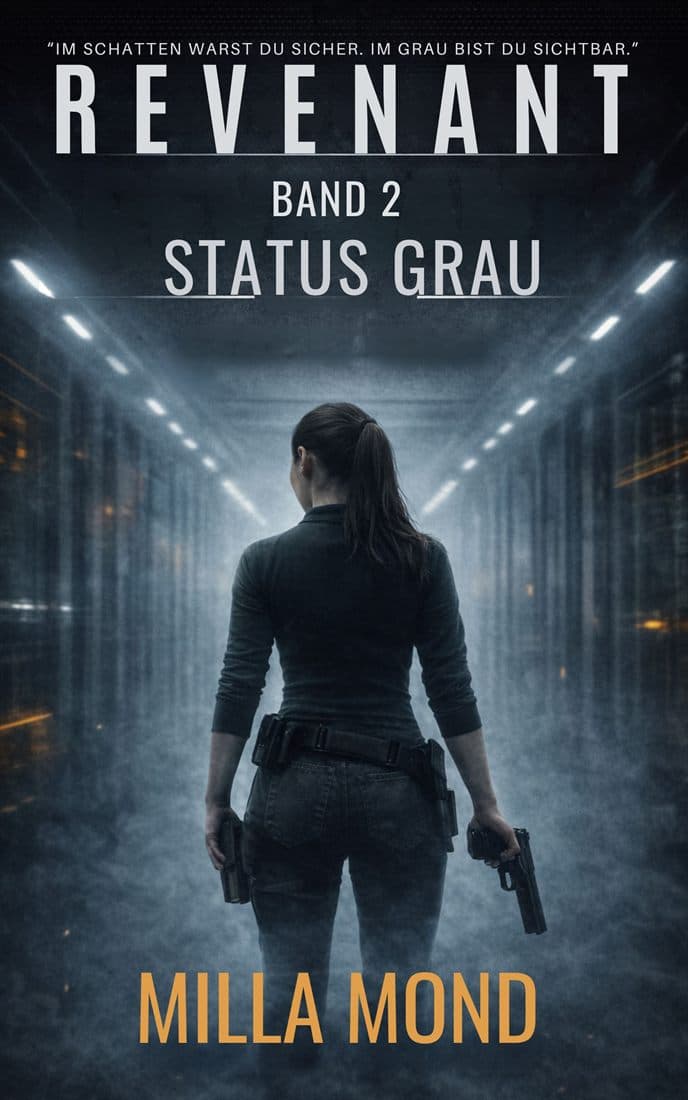
- Book Marketing for Authors: What Actually WorksMarketing starts with your cover and blurb, not after launch day. A clear-eyed guide to audience, newsletters, social media, reviews, ads, bookstores and series.6 min read
- How to Build an Author Website: Domain, Pages and What to Put on ThemYour website is the one place online that you fully own. Which pages it needs, what readers and press look for, and the privacy basics to cover before you launch.6 min read
- How Much Do Authors Earn per Book? Royalties, Advances and Real NumbersRoyalties, advances, earning out: what reaches you from a book's cover price depends on how it is published. Worked examples for traditional and self-publishing, subsidiary rights and the costs authors forget.5 min read