The magazine for authors
Chapter I: Craft & Practice
From the first sentence to the finished manuscript: tools, habits and the form in which a text reaches a publisher’s desk.
6 articles
- Writing Software for Authors: How to Choose the Right Tool for Your BookA novel is a document you live with for months or years. Here is what writing software needs to do for a book-length project, how the familiar tools compare, and how to choose one that never locks your manuscript in.6 min read
- How to Write Your First Book: From Idea to Finished First DraftMost first novels do not fail for lack of talent. They stall halfway. These are the principles that carry you from the first spark to a complete first draft, and why finishing beats polishing.6 min read
- Standard Manuscript Format: How to Format and Measure Your NovelAgents and editors expect manuscripts in a standard format and measure them in words, not pages. Here is what that format looks like, how to count your length, and the mistakes that mark a submission as amateur.3 min read
- What Is a Manuscript? Meaning, Stages and the Submission DraftFrom first draft to galley proof, your book is called a manuscript, but it is not always the same thing. What the word means, the stages a manuscript moves through, and what the version you send to agents should look like.6 min read
- How to Write a Children's Book: Age Groups, Word Counts and IllustrationChildren's books are short, but they are not easy. Which formats suit which ages, what word counts publishers expect, how text and pictures work together, and what to know before you submit.5 min read
- How to Write Fanfiction: Craft, Communities and Moving On to Original WorkFor many writers, fanfiction is where it all starts, and it is a genuinely good training ground. What the craft demands, how fan communities work, what to know about copyright, and how a fan story can become an original novel.5 min read
What Is a Manuscript? Meaning, Stages and the Submission Draft
From first draft to galley proof, your book is called a manuscript, but it is not always the same thing. What the word means, the stages a manuscript moves through, and what the version you send to agents should look like.
6 min read · Updated September 23, 2026
Manuscript comes from Latin and literally means “written by hand.” For centuries that was exactly what it was, and later the word covered typewritten pages too. Hardly anyone writes a novel by hand today, but the term has stayed: a manuscript is the text of a work before it is published.
That covers very different things. The messy draft on your laptop is a manuscript. So is the carefully formatted file you send to a literary agent, and the edited version a publisher sends to the typesetter. Knowing which stage you are in tells you what needs to happen next.
Manuscript, typescript, galley, book
- Manuscript: the unpublished text in any form. It is the everyday industry word, even for a document that never touched paper.
- Typescript: strictly, a typed rather than handwritten text. You will mostly meet the word in archives and literary scholarship.
- Galleys or page proofs: the typeset text sent to the author and editor for a final check. This is the first time the words look like a book.
- Book: the published work, in print or as an ebook. From here on, nobody calls it a manuscript.
The stages of a manuscript
Every book passes through similar stations, whether it comes out with a Big Five publisher or is self-published. The order matters more than the labels, because each stage assumes the one before it is done.
| Stage | What happens | Who is involved |
|---|---|---|
| First draft | The whole story is told once, gaps and all | You alone |
| Revision | Structure, characters, pacing and scene order are rethought, often over several passes | You, then beta readers or critique partners |
| Developmental edit | Big-picture feedback on plot, character arcs, pacing and logic | Developmental editor |
| Line edit and copyedit | Line edits work on style and clarity; copyedits on grammar, punctuation and consistency | Line editor, copyeditor |
| Typesetting | The text is laid out as a book: trim size, fonts, front matter, page numbers | Publisher, designer or you |
| Proofreading | A final pass on the typeset pages, small corrections only | Proofreader, author, editor |
From first draft to revision
How to reach a complete first draft is covered in How to write your first book. After that, the real work on the text begins. Revising in layers tends to work well: first read the whole manuscript in as few sittings as you can and only take notes. Then tackle the big problems, such as missing scenes, unclear motivation or a sagging middle. Only when the structure holds do you work on individual sentences.
Save a version before every major rewrite. Sometimes the scene you cut turns out to be essential after all, and you will be glad to have it back.
After one or two passes of your own, beta readers become valuable. Choose people who enjoy your genre and ask specific questions: Where did you put the book down? Which character left you cold? What surprised you at the end? Questions like these yield more than a request for general impressions, and they show whether a problem bothers one reader or several.
Editing: who does what
At a traditional publisher, your acquiring editor usually handles the developmental and line edit, and a copyeditor and proofreader follow. If you self-publish, you hire these services yourself, usually from freelancers. Rates are commonly quoted per word or per project and vary widely with the type of edit and the length of the book.
Developmental editing and copyediting are different jobs. One asks whether the story works; the other asks whether every comma is right. If you book only one, know which one you are paying for.
The manuscript in self-publishing
When you self-publish, you take on the publisher's role. The manuscript moves through the same stages, but you decide when each one is finished. That is exactly the risk: without an outside deadline, revision can turn into a permanent construction site, or the copyedit gets skipped to save money.
So set fixed points at which the text is frozen. After the developmental edit, change only what the editor raised. After the copyedit, the text goes to layout, and in the proofs you fix genuine errors only, not phrasing. Every larger change in typeset pages can shift page breaks and introduce new mistakes. Layout also adds elements the manuscript never had: front matter with a copyright page, a table of contents, running heads and page numbers.
The submission draft for agents
In the US and UK, most novelists reach publishers through a literary agent. You rarely send the whole manuscript at first. Instead you send a query package, and the agent's own submission guidelines always take priority over any general advice.
- Query letter: one page with a hook, a short pitch of the story, title, genre, word count, comparable titles and a brief bio.
- Synopsis: a summary of the whole plot, ending included, often one to two pages. Our guide on how to write a synopsis shows how.
- Sample pages: often the first five, ten or fifty pages, or the first three chapters, always from the beginning of the book.
- Full manuscript: sent only when an agent requests it.
Sample pages follow standard manuscript format: 12 pt Times New Roman or a similar font, double spacing, 1-inch margins, indented paragraphs and a header with your surname, title and page number. Most agents want a .docx file or pasted text, depending on their submission system.
Is your manuscript ready to query?
- At least one full revision after the first draft
- Feedback from beta readers or critique partners worked in
- Sample pages from the opening, in the requested length
- Synopsis covering the whole plot, including the ending
- Word count rounded to the nearest thousand in the query
- Standard manuscript format with name, title and page numbers
- Each agent's submission guidelines read and followed
Frequently asked questions
Does my novel have to be finished before I query?
For fiction, yes, in almost all cases. Agents expect a complete, revised manuscript even if they only ask for sample pages at first. Nonfiction is different: it is usually sold on a book proposal with sample chapters.
How many revisions does a manuscript need?
There is no fixed number. Many writers do two or three thorough revisions before querying. What matters is that each pass has a clear focus, such as structure, character or language.
Can I query several agents at once?
Yes, simultaneous submissions are standard practice. If an agent offers representation, let the others who still have your manuscript know, so they have a chance to respond.
Chapter II: Dramaturgy & Character
What makes a story hold: tension, turning points and characters whose desires drive the plot.
3 articles
- How to Plot a Novel: Proven Methods ComparedThree-act structure, the Hero’s Journey, the Snowflake Method, Save the Cat or scene cards: what each method does, who it suits and how much planning a novel really needs.6 min read
- Character Profiles: How to Build Characters with DepthA useful character profile is not a list of eye colours and favourite foods. It is a tool that generates story. What belongs in one, how want, wound and need fit together, and how to use the profile while you draft.6 min read
- What Is Plot? The Blueprint of a StoryPlot is not just what happens. It links events through cause and effect, drives them with conflict and shapes them into a rising arc. Here is what plot is made of and how to test whether yours holds.5 min read
Chapter III: Literary Worlds
The laws of each genre, from thriller to children’s book, and where it pays to break them on purpose.
3 articles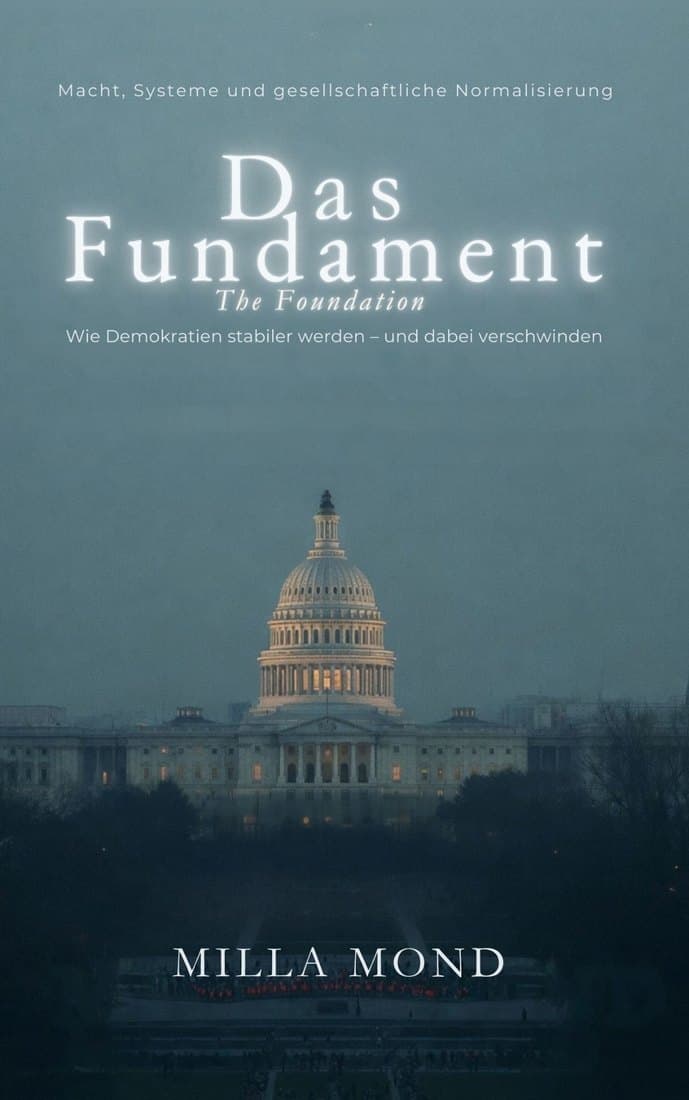
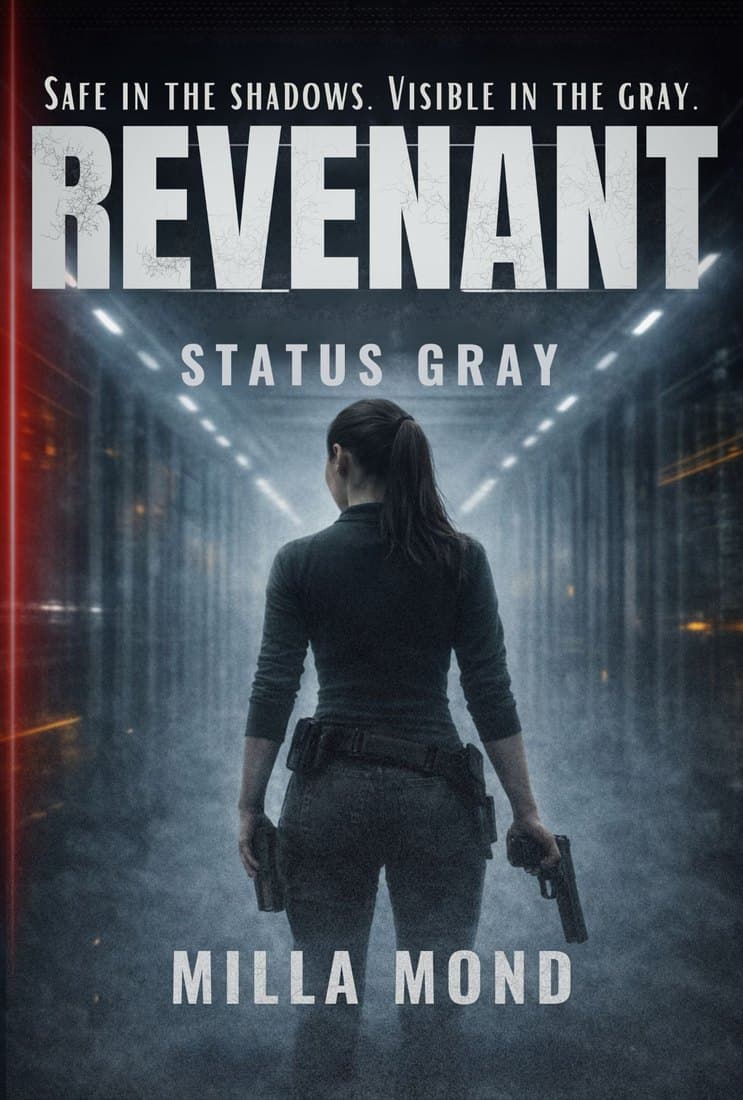
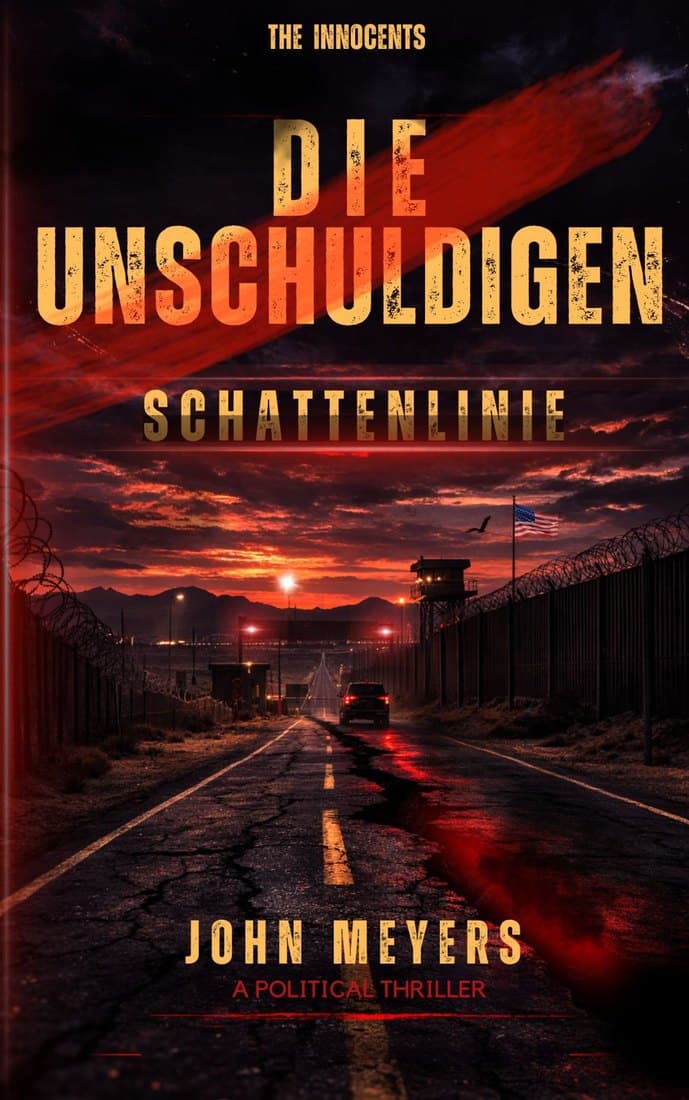
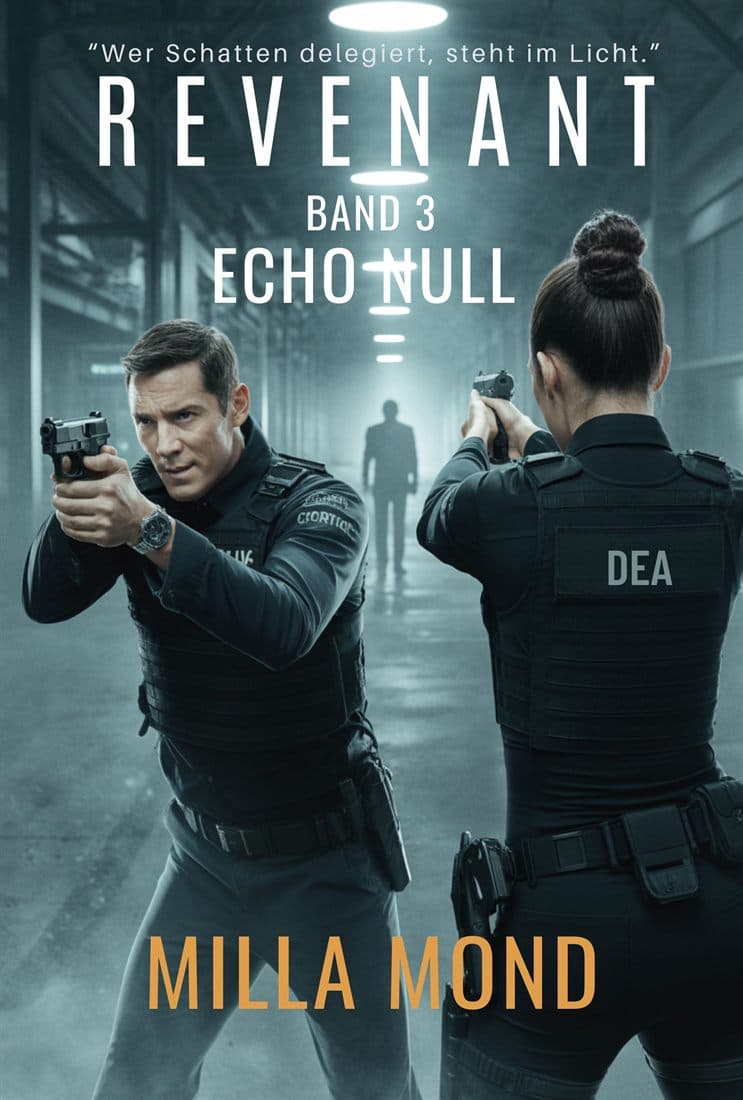
- Mystery vs. Thriller: What’s the Difference?They often share a shelf, but mysteries and thrillers create tension in different ways: one with a puzzle, the other with a threat. How the two genres differ in structure, viewpoint and pace, and which subgenres belong to each.6 min read
- Book Genres Explained: A Guide for AuthorsFrom romance to science fiction, from cozy mystery to romantasy: the main fiction genres and their subgenres, the difference between genre and age category, and why the right classification matters so much to agents, retailers and online stores.6 min read
- How to Write Dark Romance: Conventions, Reader Expectations and Responsible CraftDark romance pairs a love story with dark themes, morally grey characters and deliberately unsettling moments. What defines the subgenre, what readers expect, and how to handle content warnings, framing and platform rules with care.6 min read
Chapter IV: Book Aesthetics & Typesetting
Type area, typeface and cover: what makes a book feel valuable in the hand before a single line is read.
2 articles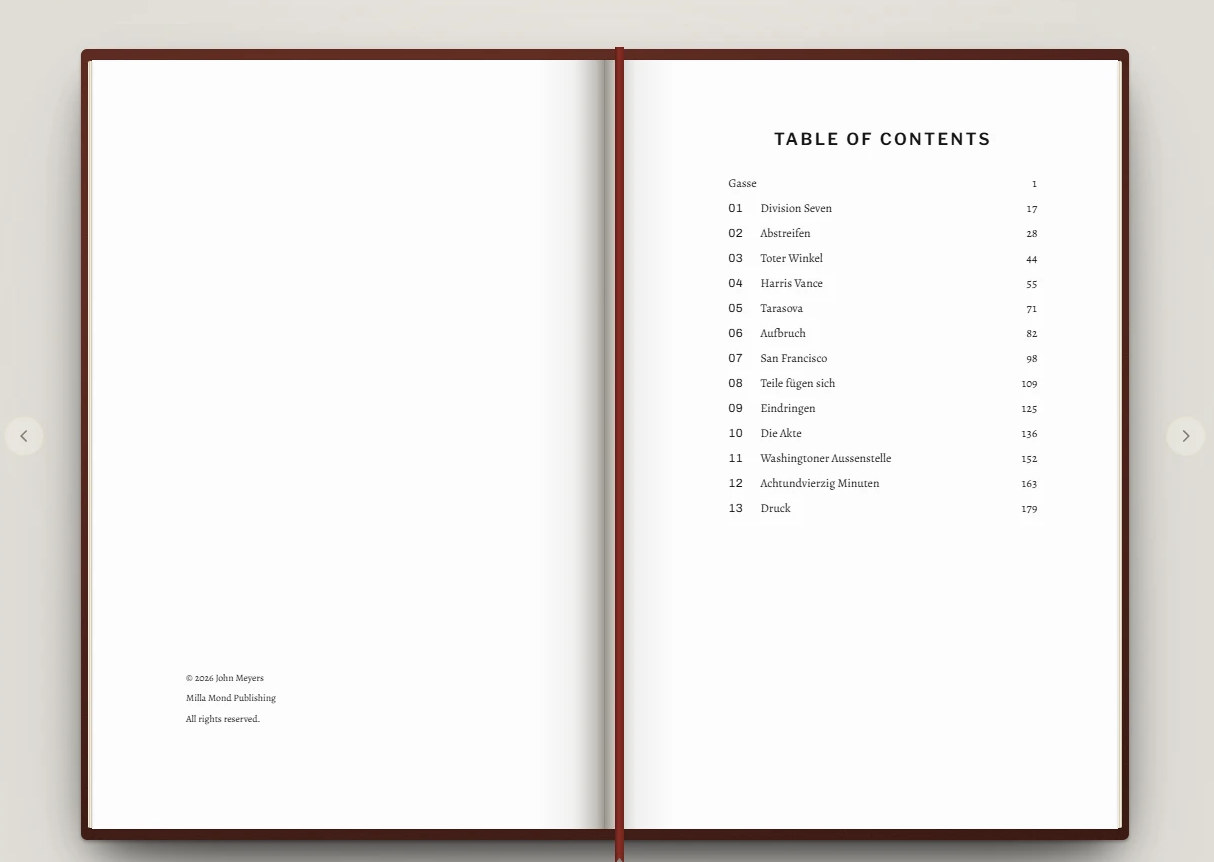
- How to Design a Book Cover: Genre, Typography and Print FilesYour cover decides whether anyone clicks on your book at all. How to send the right genre signals, keep the title readable at thumbnail size, set up ebook and print covers correctly and stay on the right side of image rights.6 min read
- Paperback Trim Size, Binding and Print: How to Plan Your BookBefore your paperback can be printed, trim size, paper, margins and cover have to fit together. The common trim sizes, how page count drives spine width, and what determines your printing cost.5 min read
Chapter V: The Road to the Reader
Query, publisher or self-publishing: the routes from manuscript to book, and what each of them demands.
3 articles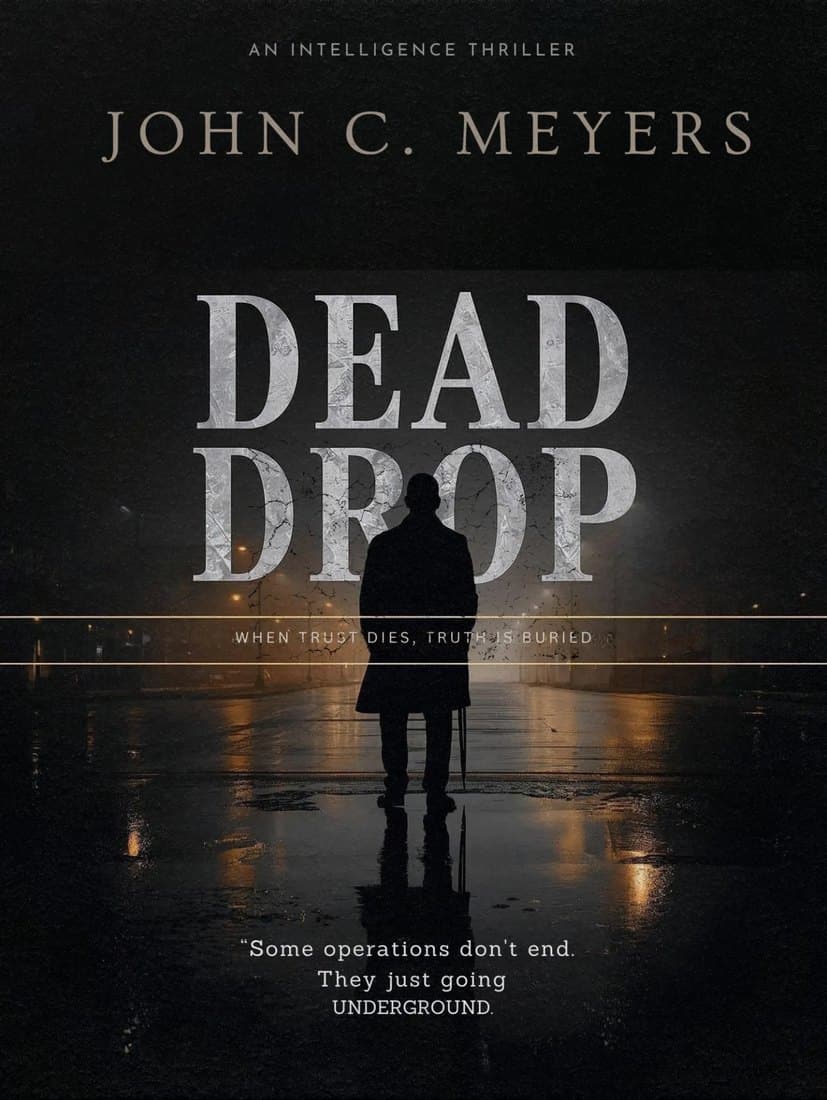

- How to Publish a Book: The Paths from Manuscript to MarketTraditional publisher, small press, self-publishing or a paid service: every path to a published book has its own strengths, costs and timelines. A clear-eyed overview to help you choose the right one for your manuscript.6 min read
- How to Publish on Amazon KDP: Ebook and Paperback, Step by StepKindle Direct Publishing is where many self-published authors start. How to set up your account and tax information, choose metadata and categories, understand pricing and royalties, and prepare your print files.6 min read
- How to Write a Synopsis (and the Rest of Your Query Package)Agents decide from a query letter, a synopsis and a few sample pages whether to read your manuscript. What goes into each part, how long a synopsis should be and the mistakes that lead to a quick pass.5 min read
Chapter VI: Visibility & Reach
How readers find your book: author website, series, reviews and what a book really earns.
3 articles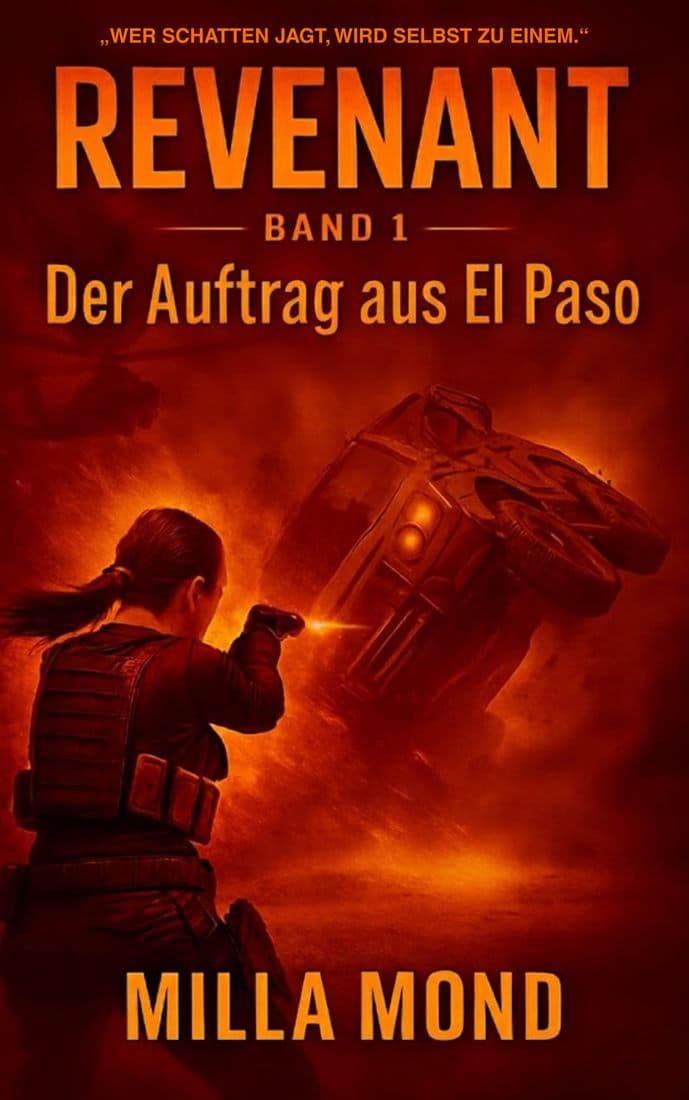
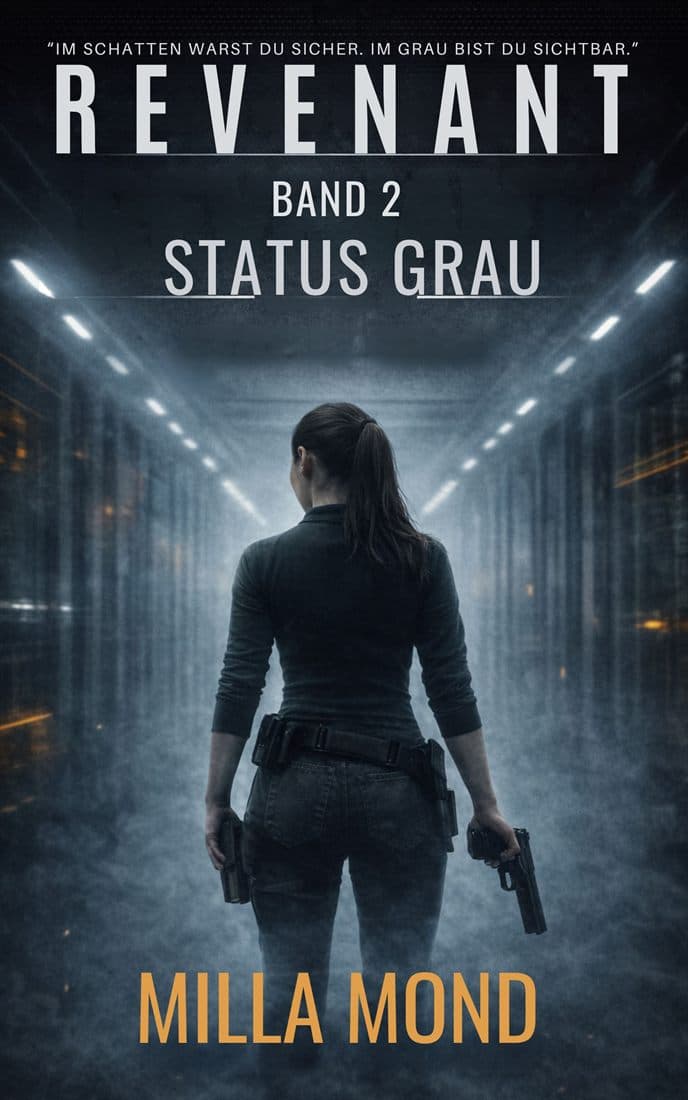
- Book Marketing for Authors: What Actually WorksMarketing starts with your cover and blurb, not after launch day. A clear-eyed guide to audience, newsletters, social media, reviews, ads, bookstores and series.6 min read
- How to Build an Author Website: Domain, Pages and What to Put on ThemYour website is the one place online that you fully own. Which pages it needs, what readers and press look for, and the privacy basics to cover before you launch.6 min read
- How Much Do Authors Earn per Book? Royalties, Advances and Real NumbersRoyalties, advances, earning out: what reaches you from a book's cover price depends on how it is published. Worked examples for traditional and self-publishing, subsidiary rights and the costs authors forget.5 min read