The magazine for authors
Chapter I: Craft & Practice
From the first sentence to the finished manuscript: tools, habits and the form in which a text reaches a publisher’s desk.
6 articles
- Writing Software for Authors: How to Choose the Right Tool for Your BookA novel is a document you live with for months or years. Here is what writing software needs to do for a book-length project, how the familiar tools compare, and how to choose one that never locks your manuscript in.6 min read
- How to Write Your First Book: From Idea to Finished First DraftMost first novels do not fail for lack of talent. They stall halfway. These are the principles that carry you from the first spark to a complete first draft, and why finishing beats polishing.6 min read
- Standard Manuscript Format: How to Format and Measure Your NovelAgents and editors expect manuscripts in a standard format and measure them in words, not pages. Here is what that format looks like, how to count your length, and the mistakes that mark a submission as amateur.3 min read
- What Is a Manuscript? Meaning, Stages and the Submission DraftFrom first draft to galley proof, your book is called a manuscript, but it is not always the same thing. What the word means, the stages a manuscript moves through, and what the version you send to agents should look like.6 min read
- How to Write a Children's Book: Age Groups, Word Counts and IllustrationChildren's books are short, but they are not easy. Which formats suit which ages, what word counts publishers expect, how text and pictures work together, and what to know before you submit.5 min read
- How to Write Fanfiction: Craft, Communities and Moving On to Original WorkFor many writers, fanfiction is where it all starts, and it is a genuinely good training ground. What the craft demands, how fan communities work, what to know about copyright, and how a fan story can become an original novel.5 min read
Standard Manuscript Format: How to Format and Measure Your Novel
Agents and editors expect manuscripts in a standard format and measure them in words, not pages. Here is what that format looks like, how to count your length, and the mistakes that mark a submission as amateur.
3 min read · Updated September 23, 2026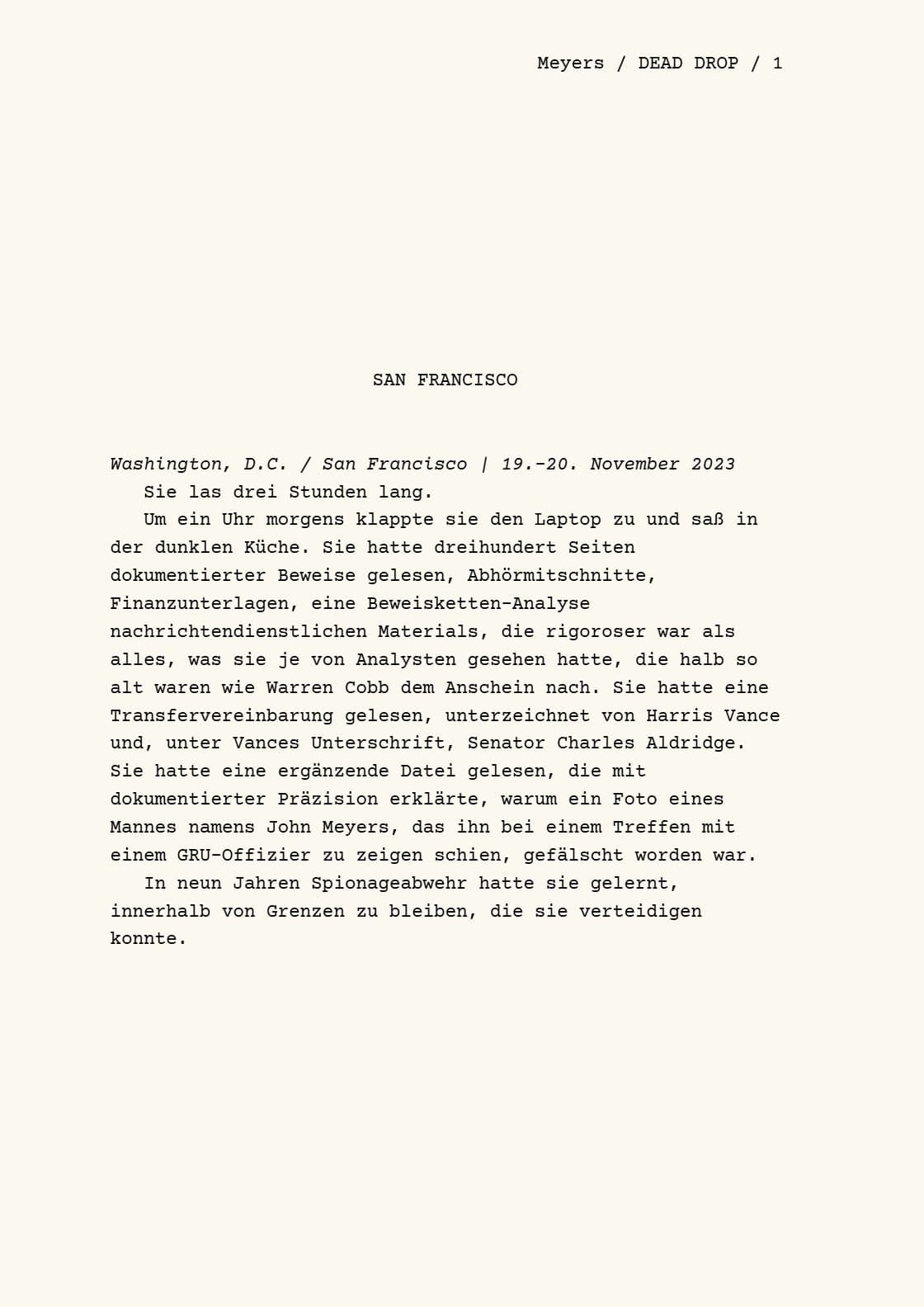
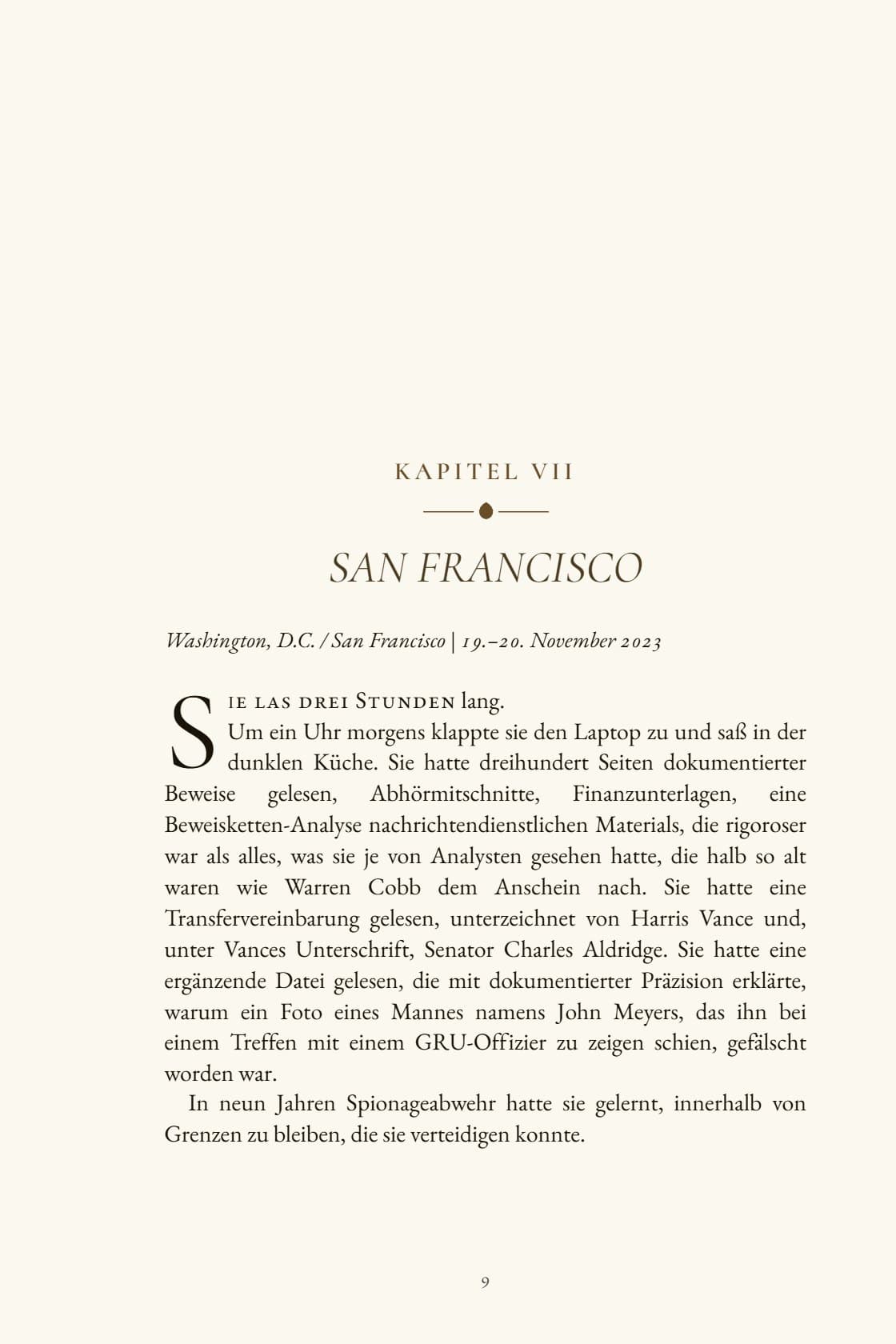
When you query an agent or submit to a publisher, your manuscript is judged before anyone reads a sentence: by its length and by how it looks on the page. Neither is a matter of taste. The industry works with a shared convention, the standard manuscript format, and measures length in a single unit, the word count.
Why the industry counts words, not pages
Page counts depend on font, margins, spacing and trim size. The same novel can fill 280 pages in one layout and 400 in another. Words stay the same whatever the formatting, which makes them the one number everybody can compare.
What standard manuscript format looks like
There is no single official template, and individual agents sometimes ask for small variations. The settings below are the common baseline, and you will rarely go wrong with them:
| Element | Standard setting |
|---|---|
| Page | US Letter or A4, portrait |
| Font | A clean serif such as Times New Roman, 12 pt (Courier is still accepted) |
| Line spacing | Double-spaced |
| Margins | 1 inch (2.5 cm) on all sides |
| Paragraphs | First line indented about half an inch, no extra space between paragraphs |
| Alignment | Left-aligned with a ragged right edge, no hyphenation |
| Header | Surname / TITLE / page number |
| Scene breaks | A centred # symbol |
The first page usually carries your name and contact details in the top left and the approximate word count in the top right. The title sits about a third of the way down the page, and the chapter begins below it.
Counting your length
Use the word count from your writing software and round it to the nearest thousand for your query letter. Nobody expects the exact figure; "approximately 92,000 words" is exactly what an agent wants to see.
Typical ranges differ by category. Many adult novels land between 70,000 and 100,000 words; debut literary and commercial fiction often sits around 80,000 to 95,000; fantasy and science fiction run longer; middle grade runs much shorter. Check what your target agents represent and what comparable recent debuts look like.
When the format matters
- Queries and full requests: agents read hundreds of pages a week. A familiar format lets them focus on your writing.
- Contests and fellowships: submission rules often cap entries by word count and specify formatting.
- Editors and proofreaders: freelance rates are frequently quoted per word, and editors work fastest on a standard layout.
For drafting, the format does not matter at all. Write in whatever view helps you think, and format when you are ready to send.
Mistakes that mark a submission as amateur
- Quoting pages instead of words. It suggests you do not know how the industry measures length.
- Decorative fonts or colour. Your voice should carry the page, not the typeface.
- Justified text. A manuscript is not a typeset book; ragged right is easier to read and edit.
- Blank lines between every paragraph. Indent paragraphs instead and reserve blank lines for scene breaks.
- Two spaces after full stops. A habit from typewriters that modern editors remove.
Before you hit send
- Word count rounded to the nearest thousand
- 12 pt Times New Roman (or Courier), double-spaced, 1-inch margins
- Indented paragraphs, ragged right, no hyphenation
- Header with surname, title and page number
- Scene breaks marked with a centred #
- The agent's own guidelines checked and followed
Frequently asked questions
Should I use Times New Roman or Courier?
Either is accepted. Times New Roman is the more common choice today; Courier is the traditional one. Follow the agent's guidelines if they state a preference.
How many words is a novel?
Most adult novels fall between 70,000 and 100,000 words, with genre making a large difference. Fantasy often runs longer, middle grade much shorter.
Does the format apply to self-published books?
No. Standard manuscript format is for submissions. A self-published book is typeset for print or ebook, with its own trim size, fonts and layout.
Chapter II: Dramaturgy & Character
What makes a story hold: tension, turning points and characters whose desires drive the plot.
3 articles
- How to Plot a Novel: Proven Methods ComparedThree-act structure, the Hero’s Journey, the Snowflake Method, Save the Cat or scene cards: what each method does, who it suits and how much planning a novel really needs.6 min read
- Character Profiles: How to Build Characters with DepthA useful character profile is not a list of eye colours and favourite foods. It is a tool that generates story. What belongs in one, how want, wound and need fit together, and how to use the profile while you draft.6 min read
- What Is Plot? The Blueprint of a StoryPlot is not just what happens. It links events through cause and effect, drives them with conflict and shapes them into a rising arc. Here is what plot is made of and how to test whether yours holds.5 min read
Chapter III: Literary Worlds
The laws of each genre, from thriller to children’s book, and where it pays to break them on purpose.
3 articles
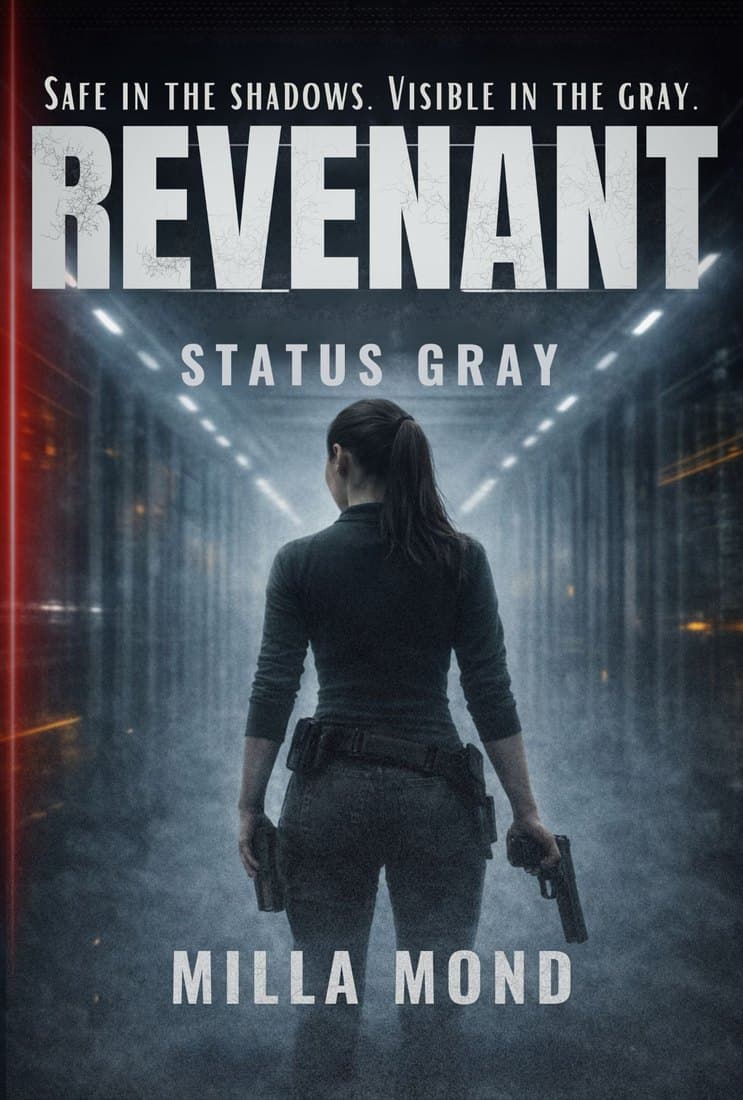
- Mystery vs. Thriller: What’s the Difference?They often share a shelf, but mysteries and thrillers create tension in different ways: one with a puzzle, the other with a threat. How the two genres differ in structure, viewpoint and pace, and which subgenres belong to each.6 min read
- Book Genres Explained: A Guide for AuthorsFrom romance to science fiction, from cozy mystery to romantasy: the main fiction genres and their subgenres, the difference between genre and age category, and why the right classification matters so much to agents, retailers and online stores.6 min read
- How to Write Dark Romance: Conventions, Reader Expectations and Responsible CraftDark romance pairs a love story with dark themes, morally grey characters and deliberately unsettling moments. What defines the subgenre, what readers expect, and how to handle content warnings, framing and platform rules with care.6 min read
Chapter IV: Book Aesthetics & Typesetting
Type area, typeface and cover: what makes a book feel valuable in the hand before a single line is read.
2 articles
- How to Design a Book Cover: Genre, Typography and Print FilesYour cover decides whether anyone clicks on your book at all. How to send the right genre signals, keep the title readable at thumbnail size, set up ebook and print covers correctly and stay on the right side of image rights.6 min read
- Paperback Trim Size, Binding and Print: How to Plan Your BookBefore your paperback can be printed, trim size, paper, margins and cover have to fit together. The common trim sizes, how page count drives spine width, and what determines your printing cost.5 min read
Chapter V: The Road to the Reader
Query, publisher or self-publishing: the routes from manuscript to book, and what each of them demands.
3 articles

- How to Publish a Book: The Paths from Manuscript to MarketTraditional publisher, small press, self-publishing or a paid service: every path to a published book has its own strengths, costs and timelines. A clear-eyed overview to help you choose the right one for your manuscript.6 min read
- How to Publish on Amazon KDP: Ebook and Paperback, Step by StepKindle Direct Publishing is where many self-published authors start. How to set up your account and tax information, choose metadata and categories, understand pricing and royalties, and prepare your print files.6 min read
- How to Write a Synopsis (and the Rest of Your Query Package)Agents decide from a query letter, a synopsis and a few sample pages whether to read your manuscript. What goes into each part, how long a synopsis should be and the mistakes that lead to a quick pass.5 min read
Chapter VI: Visibility & Reach
How readers find your book: author website, series, reviews and what a book really earns.
3 articles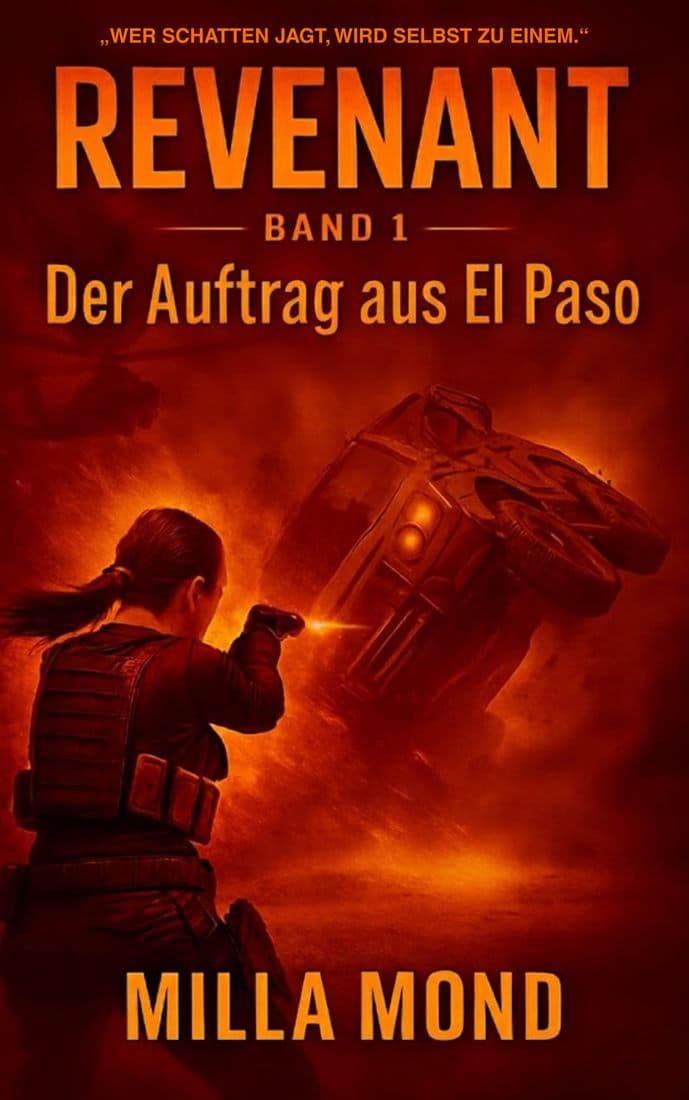
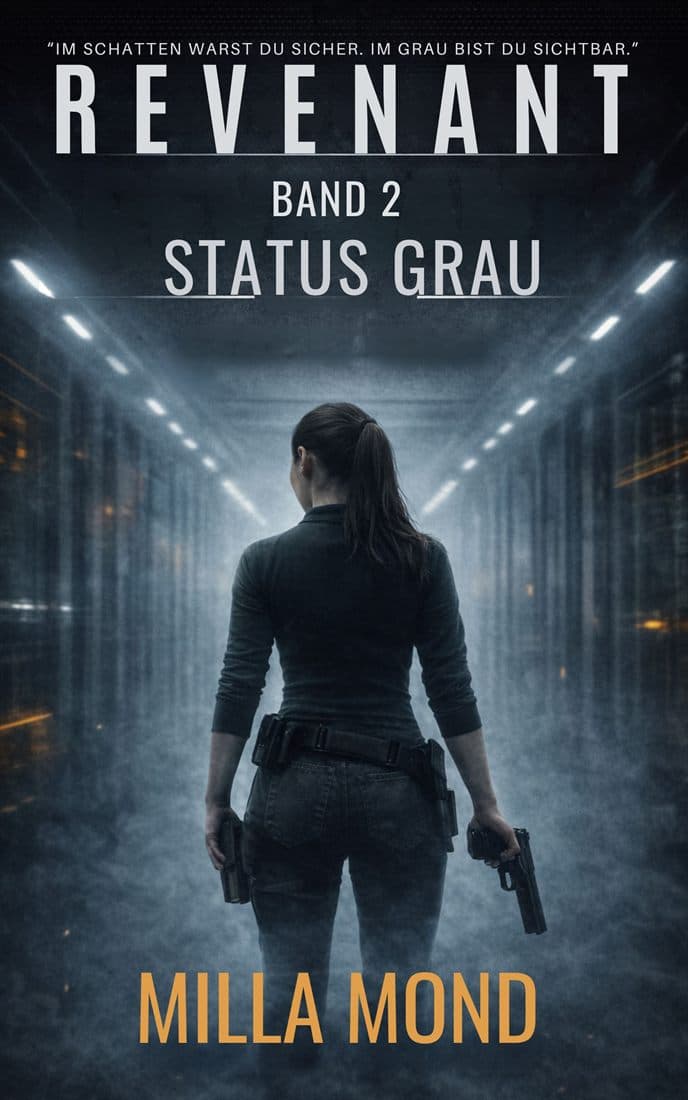
- Book Marketing for Authors: What Actually WorksMarketing starts with your cover and blurb, not after launch day. A clear-eyed guide to audience, newsletters, social media, reviews, ads, bookstores and series.6 min read
- How to Build an Author Website: Domain, Pages and What to Put on ThemYour website is the one place online that you fully own. Which pages it needs, what readers and press look for, and the privacy basics to cover before you launch.6 min read
- How Much Do Authors Earn per Book? Royalties, Advances and Real NumbersRoyalties, advances, earning out: what reaches you from a book's cover price depends on how it is published. Worked examples for traditional and self-publishing, subsidiary rights and the costs authors forget.5 min read